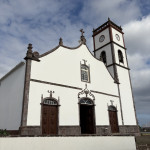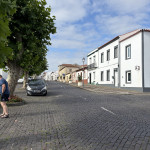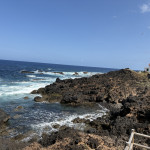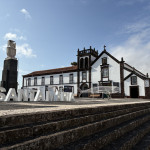
Santa Maria, Azores - 9-16th July 2026.
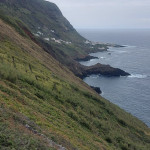
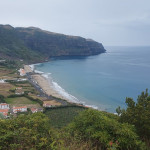
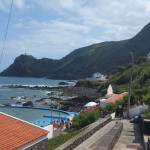
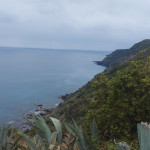
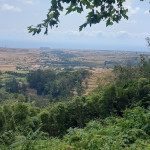
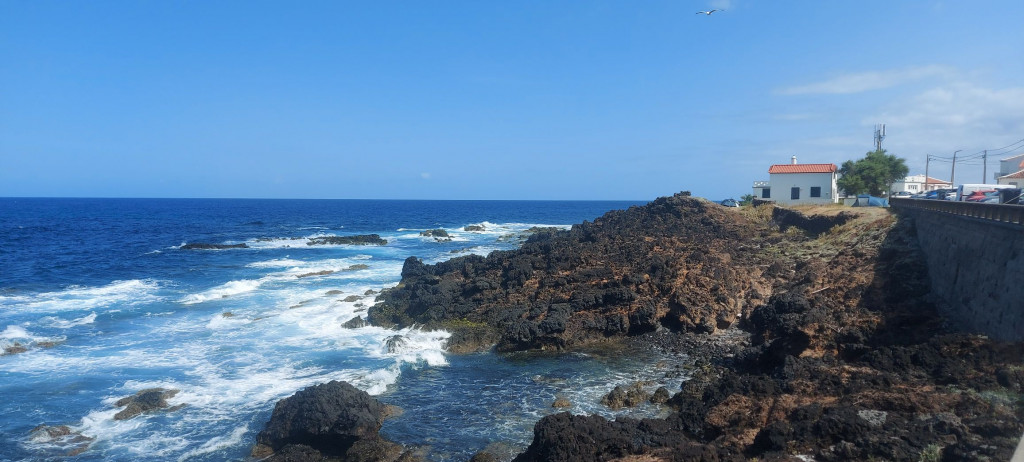
Santa Maria is the most southerly and the sunniest of the nine islands of The Azores. It is totally unspoilt with four beautiful beaches. Geologically, it’s the oldest island with a very different landscape to the younger volcanic islands like Pico or Faial. The volcanoes that first formed Santa Maria have had time to erode into pleasant rolling
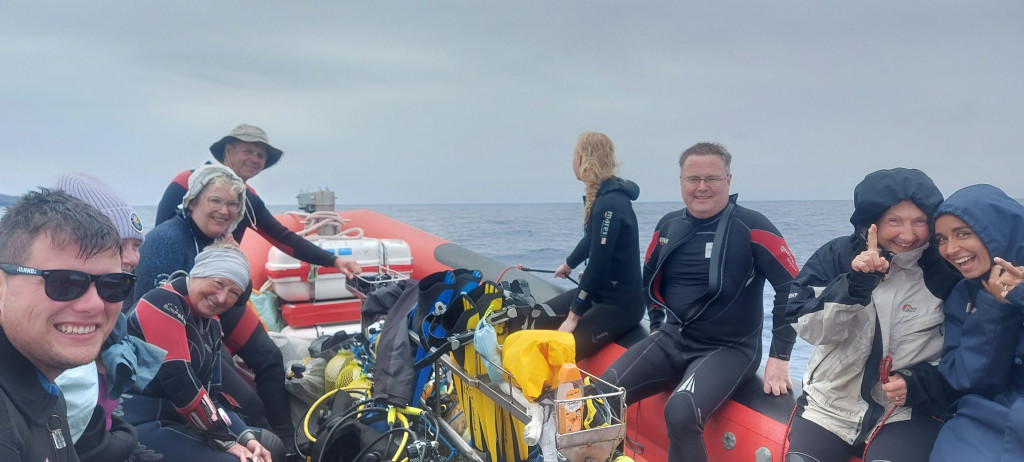
hills, secluded coves and dramatic sea cliffs. The underwater topography carved by plate tectonics and marine erosion is stunning. We explored pinnacles, huge sinkholes, lava tubes, swim throughs and caves. We caught up with each other in Lisbon airport for the flight to Santa Maria. Jane, Phil and I only just made it to the gate in time as our first flight was delayed by fifty minutes. We arrived at Santa Maria airport and were met by a member of staff from Hotel Santa Maria who transferred our bags to the minibus, whilst we collected our hire cars. We met the Manta Maria Dive Centre representative at 8am Friday morning so that he could take our kit to the dive centre. We followed in our hire cars.
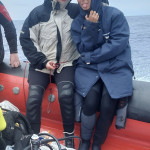
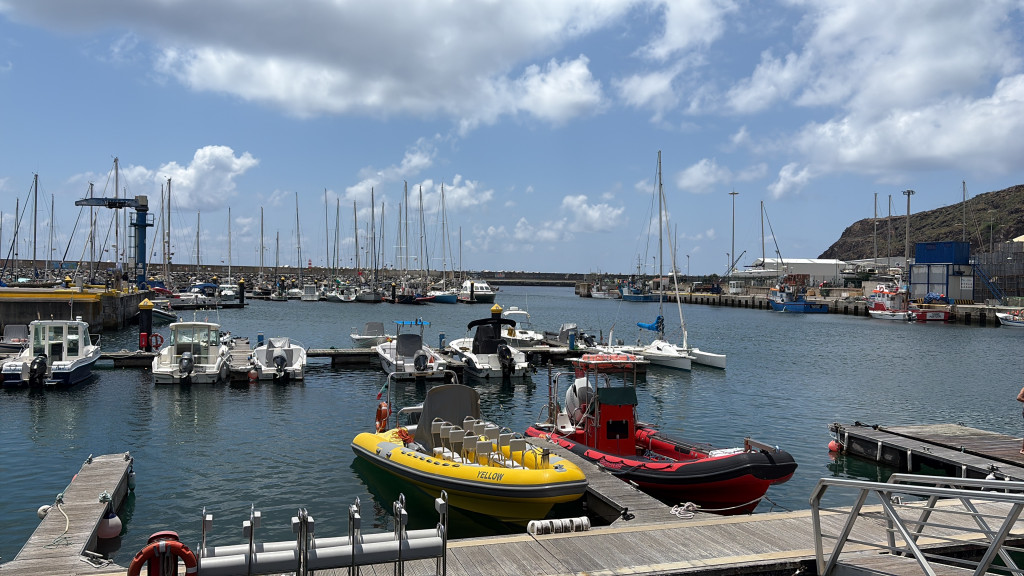
Our schedule for the next five days was the same. Breakfast at 7.30am, drive to the dive centre, analyse gas, kit up, transfer gear onto the Rhib and set off. The first guided dive was around 10am and the second at 12.30pm. Once back in the marina we took our kit from the Rhib, rinsed it and hung it up to dry. The rest of the day was at leisure. Phil Tim and I always went back to the hotel to shower and change and then drove to a different beach for a stroll and a coffee. We met Loz, Alison and
Jane in the evening to drive into Vila do Porto for an evening meal. The restaurants are small, family run businesses serving tasty local dishes.
Dive sites
Friday: Pendrihna (pinnacle and swim throughs) Grut Camarao. (Shrimp Cave)
Saturday: Ripadas(rocky outcrop, sink holes, boulders) Banca de Crea (rocky reef)
Sunday: J. Lopas (rocky outcrop) Baixa do Ambrósio -a sea mount in the National Marine Reserve.
Monday: Ilev Vila (sink holes, swim throughs) Calsada (lava tubes, ledges, short walls)
Tuesday Ilev Vila. Baixa do Ambrósio.
The water temperature was 18C and the viz was 25-30m. Looking out through the clear blue water of The Atlantic Ocean was magical. The main rock cover was Peacock Feather Algae, Christmas Tree Hydroid and a short brown filamentous weed. We spotted Black Sea Urchins, Spiny Starfish, Sea Cucumbers, Tritons Trumpet, Slipper Lobster and a variety of nudibranchs. The fish life around the rocky dive sites was abundant, colourful and diverse from the small reef fish –Ornate
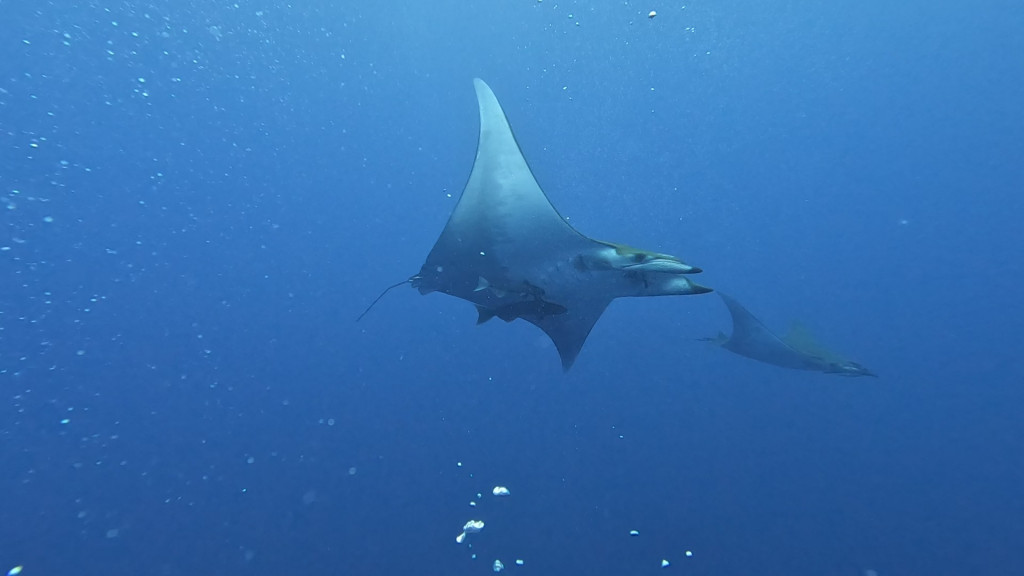
Wrasse, Puffer, Parrot, Canary Damsel and Scorpion fish to the larger Groupers, Chromis, Trigger Fish, Moray Eel, Bluefish and Stingray. The Pelagics out in the ocean included Amberjacks, Barracuda, Tuna and best of all Mobula Rays. Hanging on a line looking out into the blue, watching shoals of Barracuda beneath us, as the Mobula Rays glided effortlessly, coming close enough for us to see the Remora
clinging to them was one of the highlights of the trip.
On our way out to the dive sites we were fortunate to see flying fish, pods of White Sided Dolphin leaping and swimming in the bow wave, a flock of Cory’s Shearwater and a large pod of dolphin feeding on a baitball.
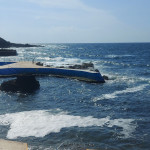
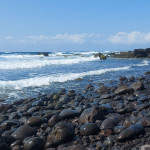
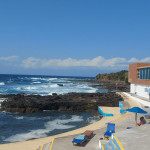
We toured the island on Wednesday to see the desert, the old whaling station and the four beaches with their lidos and swimming areas. We were given a guided tour of De Gonçalo Velho Lighthouse, perched on the cliffs of Ponta do Castelo in the southeastern parish of Santo Espírito.
Thanks to buddies Tim, Jane, Alison and Loz for joining us.
Pat & Phil.